Table of Content
It is an economic method of water purification because little water is lost during purification. Moreover, pasteurization does not kill off all of the water’s organisms, but rather just the ones that would be bad for human health. On the other hand, sterilization would kill off all of the water’s organisms including the harmless ones. When water reaches a boil, it kills biological contaminants by denaturing their proteins. While different types of biological contaminants are killed off at different temperatures, 99% of them are killed off if heated to at least 149 degrees Fahrenheit for 5 minutes. However, depending on where you live or how pure you like your water to be, boiling water for water treatment might still be necessary for disease control purposes.

Another method of purifying water is to use distillation. Distillation uses heat to evaporate water, leaving behind contaminants and water vapor. Boiling water can be purified by using a filter to remove contaminants.
Trending Articles
He says that most of it sat in the sun and heat at some point in its delivery to your store. Use of food grade plastics is important, but he says they should only be used once for foods. Glass is perfectly safe from that standpoint, even preferred, but it should be noted that glass gets very hot in the sun and should be handled with extreme caution! The greatest is its simple design and accessibility as a do-it-yourself procedure. Also, the sand filters are contingent upon little to no mechanical power, chemicals or replaceable parts, and they do not require much operation or maintenance. Clean, potable drinking water is vital to the survival of virtually all living species.
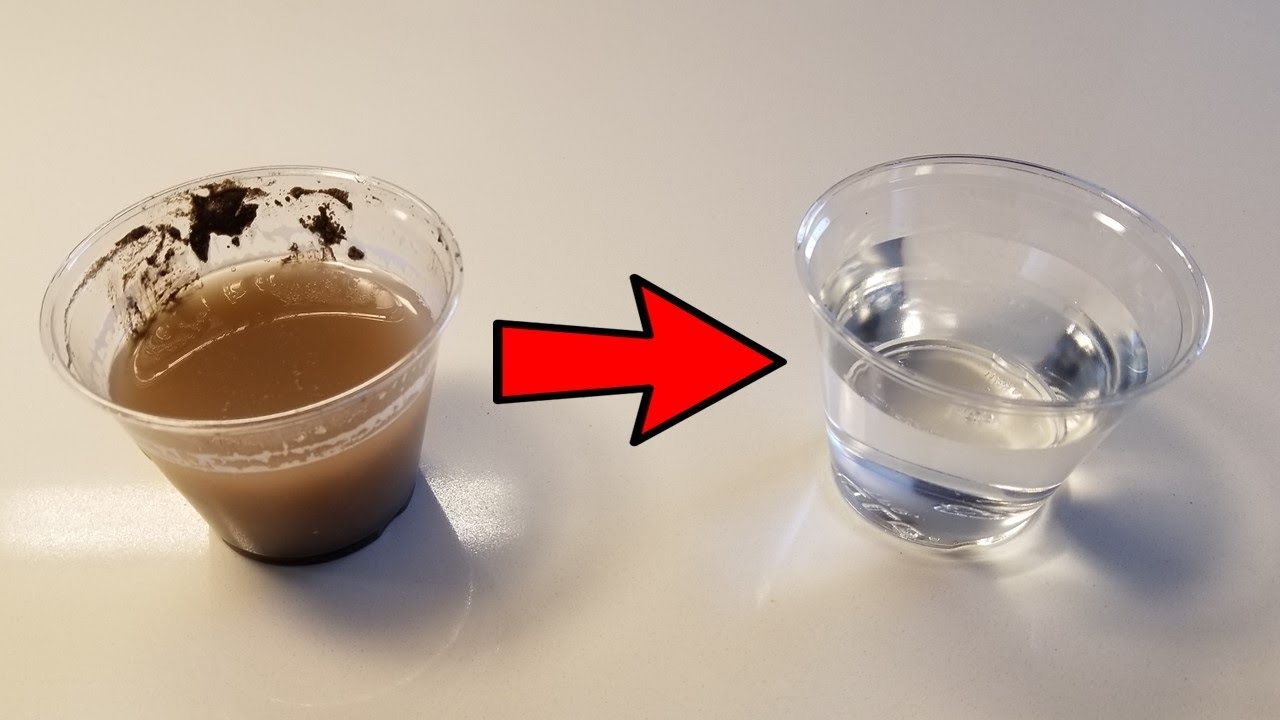
Each method has its advantages and disadvantages, and depending on the need, how much prep time you have, and access to materials will determine which method is best for you. If you live in the United States and you get your water from the city, it is mostly safe to drink. If you have a personal well, it would depend on the location and how deep the well is. When in doubt, you should contact your local authorities for location-specific information.
How to Purify Water
Distillation is a water purification method that utilizes heat to collect pure water in the form of vapor. This method is effective by the scientific fact that water has a lower boiling point than other contaminants and disease-causing elements found in water. Water is subjected to a heat source until it attains its boiling point.

Certain plants are effective at removing pathogens from water, and pine trees are among the best. To remove viruses and bacteria from your water, remove a small branch from a pine tree. Strip the bark from the stick and place the bare stick into a bucket. Slowly pour the water, letting it trickle onto the stick and into the bucket. My mother’s husband is a plastics engineer and he advises against any sort of consumptive uses with plastics left in the sun, particularly water. He even advises against drinking water from those cases of water everybody buys.
How to Purify Water with Boiling
The human body can live for over a month without food, but can only last three to four days without water. Electronic filters use a sensor to detect objects and then remove them. If in doubt speak to people in the shop or call the manufacturers and ask what is and is not filtered out with the product.
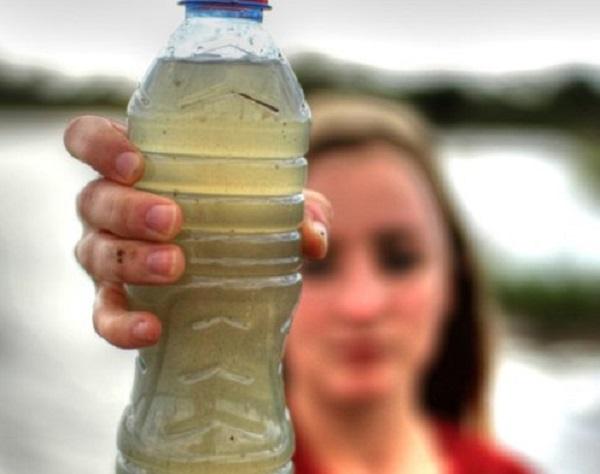
This system uses a series of filters to remove the contaminants from the water. Read our article on iodine water purification tablets to find out more. The ultraviolet rays of the sun can be extremely destructive to microorganisms. We as humans avoid it as much as possible as it can cause skin cancer and other diseases.
Leave the bottle out for around six hours on a sunny day, and up to 2 days if it is cloudy. The survival straw is not a DIY project and should be purchased from a reputable vendor. These durable and lightweight survival tools last a long time, and most are good for slurping up over 1,000 gallons (3.79 m³) of water before needing to be replaced. The main advantage is that with a bit of knowledge, and some very common materials, there should always be access to reliable water, no matter what conditions are going on.
Regardless of how clean you believe your water is, it never hurts to go the extra mile and boil it. Purified water, while it may look okay, could easily be contaminated with harmful biological contaminants. If you’re feeling uneasy about the safety of your water or even don’t like the taste of it, boiling could be a simple, cost-free solution. Biological contaminants are contaminants that can be removed from water by boiling it.
They cost about $50, but can filter many, many, hundreds of gallons of water. However, under emergency circumstances, other forms of ultraviolet light may be used. One of the quickest, easiest ways to purify water is to add drops of Stabilized Oxygen. This natural antibiotic can be bought on the market and is labeled with instructions for use.
These filters can remove protozoa and some bacteria, but they cannot filter out viruses because viruses are too small. When you don’t have access to anything that you can use to filter the water, you can remove large particulate from water by letting it settle. During this time, heavier particles will sink to the bottom, and lighter material will float to the top. Line a fine-mesh strainer with muslin, cheesecloth, a clean dish towel, or even a clean cotton shirt.
After the two have been mixed, let the chlorinated water sit for half an hour before drinking. 7 to 10% chlorine – Add 4 drops of bleach to each gallon of water. You just need to swish it in the water and all the bacteria will be killed.
For example, parasites and germs are things you may not see by bare eyes, but their effects can be life threatening. The water purifier is used to remove bacteria and other dirty things related to Water purifier can supply water for the whole house when you need it. With this, you can get rid of chemicals and terrible testes. Though its little bit costly and heavier than the iodine and chlorine and needs to manual pumping. You can use Chlorine to purify the water because Chlorine has the ability to kill bacteria in the water.




No comments:
Post a Comment